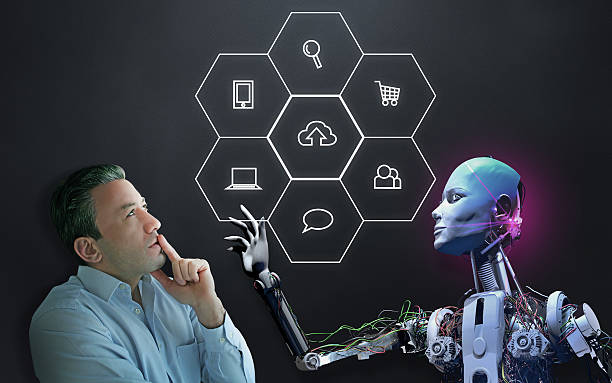
I don’t think the future is going to arrive with flying cars or robots knocking on your door saying “hello human.” It’s going to be way more boring than that. And honestly, that’s what makes it powerful. When people talk about AI, they usually mention big names like OpenAI or Google, like it’s some sci-fi takeover story. But in real life? It’s more like your phone suddenly suggesting the exact reply you were about to type. Small. Quiet. Almost sneaky.
A few months ago I noticed something weird. My email started finishing my sentences better than I could. At first I felt smart, like wow I write so predictable that even a machine understands me. Then I felt slightly attacked. But that’s the thing. AI doesn’t need to be loud to change stuff. It just needs to be slightly more convenient than what we’re used to.
Your phone already knows you better than your best friend
Think about how often you unlock your phone. Be honest. I checked mine once and it was like 87 times in a day. That’s not productivity, that’s addiction with WiFi. But behind that screen, AI is learning patterns. When you wake up. What you scroll. Which videos you pause on. Even which memes you send.
On platforms like Meta’s Instagram or Facebook, the algorithm already decides what you see before you even know you want it. People complain about it on Twitter, sorry, on X, but they still keep scrolling. It’s like saying you hate junk food while ordering fries. The system quietly shapes opinions, trends, even small buying decisions.
I read somewhere that more than 70 percent of what people watch on streaming platforms is algorithm recommended. That’s crazy if you think about it. It means your “taste” might not fully be your taste anymore. It’s guided. Nudged. Softly pushed.
Money decisions might get automated before we realize
This part actually scares me a little. Financial apps are getting smarter. Not just calculators, but predictive tools. Apps that tell you, “Hey, you usually overspend on food in the third week of the month.” Which is rude but accurate.
Banks and fintech companies are using AI to analyze spending behavior. Companies like PayPal and Visa already use machine learning to detect fraud in milliseconds. That’s cool, yes. But imagine when your bank starts suggesting investments automatically based on your personality profile.
It’s kind of like having a financial advisor who never sleeps and never forgets a transaction. Helpful, sure. But also slightly creepy. Money is emotional. We pretend it’s math, but it’s not. It’s feelings, stress, ego. I once invested in something just because three finance influencers on YouTube said “this is the next big thing.” It wasn’t. If AI had blocked me that day, maybe I’d have saved a few thousand rupees. Or maybe I’d have been angry at the app for “controlling” me.
Work life will shift in small invisible ways
Everyone talks about jobs disappearing. And yeah, that might happen in some areas. But what I see more immediately is jobs quietly changing. Writers using AI to brainstorm. Designers using it to generate drafts. Customer service using chatbots that sound almost human.
I’ve tested tools from Microsoft that integrate AI directly into documents. You don’t start from a blank page anymore. The page starts with you. That changes how people think. It removes friction. But sometimes friction is where creativity happens.
There’s also this weird social media pressure. On LinkedIn, people act like if you’re not using AI tools daily, you’re already outdated. The hustle culture around AI is intense. But most normal people? They just want their tasks done faster so they can log off earlier.
And honestly, if AI helps someone leave work at 5 instead of 7, that’s a bigger revolution than robots replacing managers.
Homes will feel smarter but not louder
Smart homes used to sound futuristic. Now it’s just normal. Smart speakers, smart lights, smart thermostats. But the next phase won’t be about voice commands. It’ll be about anticipation.
Imagine your AC adjusting before you even feel hot. Your grocery list updating automatically because the fridge noticed you’re out of milk. It sounds small. But small daily frictions disappearing? That adds up.
There’s also data behind all this. Quiet data. Your routines. Your preferences. Who owns that data becomes a big question. We trust companies like Amazon with our shopping habits without even thinking twice. Convenience wins every time. Privacy debates usually trend for a week and then vanish.
I sometimes wonder if future generations will laugh at us. “You manually typed passwords?” they’ll say. Like we laugh at dial-up internet.
Education and learning might feel more personal
This one I actually feel optimistic about. AI tutors that adapt to how you learn. Not everyone learns the same way, but schools still often teach like it’s 1995. With AI, lessons can adjust in real time. If you struggle with math, it slows down. If you’re bored, it speeds up.
Platforms inspired by systems like Khan Academy are already experimenting with AI-driven learning assistants. That could quietly close learning gaps in ways we don’t fully see yet.
But of course, there’s the other side. Over reliance. If students let AI solve everything, critical thinking might shrink. It’s like using GPS for every tiny road. After a while, you forget how to navigate without it. I once tried driving without Google Maps and realized I barely remember routes anymore. That’s slightly embarrassing.
The emotional side no one talks enough about
Here’s something people don’t say much. As AI becomes more integrated, loneliness might shift too. Chatbots that talk like friends. Virtual assistants that respond warmly. For some people, that might actually feel comforting.
There are already AI companions gaining popularity online. Some Reddit threads are full of people saying they feel “understood” by a bot. That’s both fascinating and a little sad. Humans wanting connection, finding it in code.
But maybe it’s not all negative. Maybe AI will handle repetitive emotional labor, like basic support queries, so humans can focus on deeper conversations. Or maybe I’m being too optimistic. Hard to say.
What I do know is that the change won’t feel like a thunderstorm. It’ll feel like background noise getting slightly smarter each year. One update at a time. One feature at a time. Until one day you realize your daily life runs smoother than it used to, and you can’t even point to the exact moment it happened.
That’s how quiet revolutions work. Not loud. Just consistent.