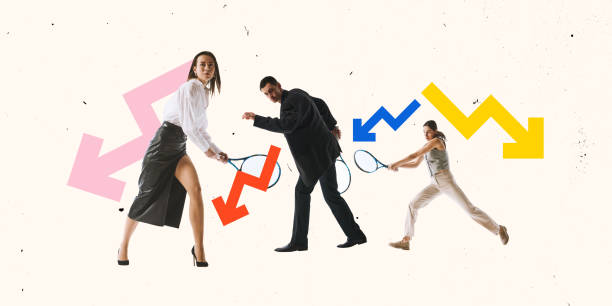
There was a time when trends took years to grow. Now it feels like they are born in the morning and dead by Sunday night. I open Instagram for five minutes and suddenly everyone is wearing the same color sneakers, drinking the same weird green juice, or talking about some new AI app like it will change humanity. Two weeks later? Silence. It’s like it never even existed.
I remember when fidget spinners were everywhere. You couldn’t walk into a store without seeing a pile of them near the counter. Even my cousin bought three for no reason. People were acting like it was some scientific breakthrough for productivity. And then… gone. It honestly reminds me of stock market bubbles. The hype grows, people rush in because they don’t want to miss out, and then when reality hits, everyone quietly moves on.
Social media is obviously the biggest fuel here. Platforms like TikTok, Instagram Reels, and YouTube Shorts basically run on speed. The algorithm rewards whatever gets fast reactions. A trend doesn’t need depth, it needs attention. And attention today is like fast food. Quick, addictive, not very filling. You scroll, you laugh, you copy it, you post it. Done.
There’s actually some psychology behind this. Humans are wired to follow the crowd. It’s called herd behavior. In finance, investors buy assets not because they understand them, but because everyone else is buying. Same with trends. If you see 500 people doing the same dance challenge, your brain kind of goes, “This must matter.” Even if it really doesn’t.
And FOMO is a powerful thing. Fear of missing out makes people act irrational sometimes. I’ve felt it too. You see a new fashion trend blowing up and think, maybe I should get that before it’s “too late.” But too late for what? That’s the funny part. Most of these trends don’t even last long enough to justify the stress.
The Speed of the Internet Changed Everything
The internet used to be slower, not just technically but socially. Trends spread through TV, magazines, maybe word of mouth. Now, one viral tweet can reach millions in a few hours. A random person can start something in their bedroom and by the next day celebrities are copying it.
I read somewhere that the average lifespan of a micro-trend in fashion is now just a few weeks. That’s crazy if you think about it. Big brands like Zara or Shein can design, produce, and ship new styles in record time because they’re tracking what’s trending online almost in real-time. It’s like they have trend radar.
But here’s the thing. When supply reacts that fast, saturation happens fast too. Everyone has the same look. Once something feels “overdone,” people abandon it. It’s like a song you loved at first but then it got played 20 times a day on the radio and now you can’t stand it.
Crypto is another example. Remember when everyone on Twitter was suddenly a crypto expert? Coins were launching daily, influencers were promising financial freedom, and even people who didn’t know what blockchain was were investing. Some made money, sure. But many got burned when the hype faded. It’s similar to trends in fashion or fitness. Big spike, big noise, then sharp drop.
I think we underestimate how much social media rewards novelty. The algorithm doesn’t care about stability. It wants fresh content. So creators are always trying to top the last viral thing. That pushes trends to evolve faster and die quicker. There’s no time for something to mature.
Why We Get Bored So Easily
I’m guilty of this too. I’ll see a trend, love it for a week, then feel bored. It’s not even that the trend changed. I changed. Our brains crave dopamine. Newness gives that small hit of excitement. Once something becomes normal, it stops feeling special.
In marketing, there’s something called the product life cycle. Introduction, growth, maturity, decline. What used to take years now happens in months or even days. It’s like the entire cycle got compressed because information travels so fast.
Another factor is overexposure. When every influencer is talking about the same skincare brand or the same productivity hack, it starts to feel forced. People online are quick to call out “overhyped” products. Once that narrative starts, the downfall begins. Twitter especially can flip from praise to sarcasm in 24 hours.
And let’s be honest, some trends are just not built to last. They are designed to shock, entertain, or go viral. Not to be sustainable. The ice bucket challenge lasted longer because it had a cause attached to it. But a random dance challenge? It’s entertainment, not culture.
Money, Marketing and Manufactured Hype
Sometimes trends don’t grow naturally at all. They are pushed. Brands collaborate with influencers, run paid campaigns, create artificial scarcity. Limited drops, countdown timers, exclusive access. It creates urgency. Urgency creates demand. Demand creates hype.
It’s very similar to how IPOs work. Companies generate buzz before going public. Media covers it, analysts talk about it, retail investors get excited. On launch day, everyone jumps in. But after the initial excitement, reality sets in. Not every stock can grow forever. Not every trend can either.
I’ve noticed that TikTok especially can make or break small businesses overnight. There are stories of restaurants selling out because of one viral video. That’s amazing. But I’ve also seen places struggle to maintain that momentum once the hype wave passes. It’s like catching a huge wave but not knowing how to surf properly.
There’s also this pressure to always be “ahead.” Nobody wants to be late to a trend. But ironically, if you join too early or too late, you risk looking out of touch either way. It’s a strange game.
Are Fast Trends Actually Bad?
Maybe not. They can be fun. They keep culture dynamic. They give small creators opportunities. They allow ideas to spread quickly. Some trends even spark important conversations about mental health, finance, or sustainability.
But I do think the speed makes it harder to build something lasting. When everyone is chasing what’s next, few people focus on depth. It’s like fast fashion for ideas. Cheap, quick, disposable.
Sometimes I wonder what trends we are following right now that will feel ridiculous in two years. Probably many. And that’s okay. Culture has always changed. It’s just that now it changes at 5G speed.
Maybe the real trend is constant change itself. And maybe the smartest move is not to chase every wave, but to pick the ones that actually matter to you. Easier said than done, I know. I still get tempted by shiny new things on my feed.
But next time something explodes overnight, maybe it’s worth asking, is this actually valuable, or just loud?