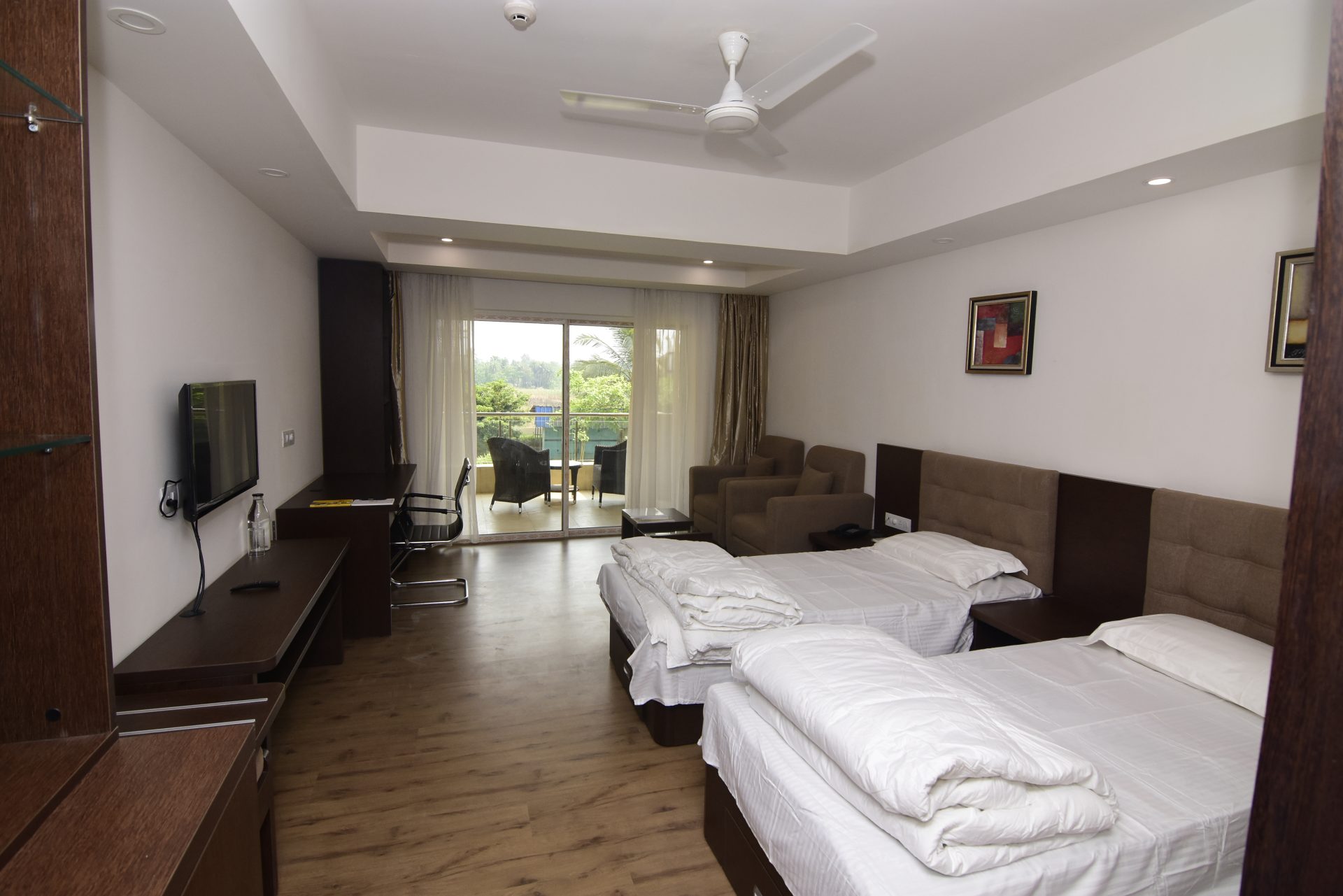
Managing chronic diseases in seniors effectively requires five consistent daily habits — structured movement, geriatric-supervised nutrition, daily clinical monitoring, medication adherence under professional review, and social engagement for stress moderation. Each of these is far more consistently maintained in a structured community setting than in domestic isolation. Active senior living communities at Jagriti Dham by Infinity Group near Joka, Amtala embed all five into the daily residential structure. This makes chronic disease management a supported daily routine rather than an individual discipline that the elder must maintain alone.
Chronic disease management in older adults involves medical care as well as behavioural, nutritional, and environmental factors. The medication exists; the dietary guidance exists; the exercise prescription exists. What makes the difference between the elder who manages their chronic conditions effectively and the one who deteriorates despite adequate prescriptions is the daily environment in which management either happens consistently or does not. The active senior living communities at Jagriti Dham near Joka provide the environment in which all five management habits happen consistently — every day, without the elder needing to sustain them alone.
Five Evidence-Based Tips for Managing Chronic Diseases in Seniors — and Why Each Is Most Consistently Achieved in an Active Senior Living Community
The five chronic disease management tips below are those with the strongest evidence base for improving elder health outcomes — and each is more consistently maintained in the structured community environment at Jagriti Dham than in domestic isolation:
- Structured daily movement calibrated to the specific conditions present. Regular physical activity can support blood glucose control, cardiovascular health, mobility, strength, and joint function in older adults, although the appropriate type and intensity of exercise depend on each person’s health condition. The challenge in domestic settings is consistency. The morning wellness walk at Jagriti Dham — peer-accompanied, geriatric-supervised, and calibrated to each resident’s specific conditions and current functional capacity — produces the consistent daily movement that the isolated elder’s self-directed exercise intention rarely sustains. The senior housing independent living standard at Jagriti Dham treats the morning walk as a clinical provision, not an amenity.
- Geriatric diet chart adherence through individually adapted daily meals. The geriatric diet chart for a resident managing both diabetes and hypertension requires a meal plan that is simultaneously low in refined carbohydrates, low in sodium, high in dietary fibre, and adequate in protein — a combination that the elder cooking for themselves cannot reliably achieve at every meal. The Jagriti Dham kitchen is geriatrically supervised and produces individually adapted meals that implement each resident’s diet plan as the daily standard — making geriatric diet chart adherence the automatic consequence of daily residence rather than an individual discipline.
- Daily clinical monitoring that detects deviation before it becomes deterioration. The most effective chronic disease management maintains the condition within its therapeutic window — and the daily blood pressure, weight, and glucose monitoring at Jagriti Dham provides the data that identifies deviation from that window before it becomes an acute event. The seniors assisted living standard at Jagriti Dham converts chronic disease monitoring from a periodic clinical event to a daily residential provision whose consistency produces measurably better long-term outcomes.
- Medication adherence under professional daily review. Medication non-adherence is among the most common causes of chronic disease deterioration in older adults — and among the most preventable. The problems faced by old people managing five or more medications alone include confusion about timing, missed doses, and interaction effects that compound over time. The geriatric care team at Jagriti Dham manages medication as a daily clinical provision — verifying adherence, reviewing timing, and flagging interaction concerns as each day begins.
- Social engagement for cortisol reduction and immune support. Chronic social isolation elevates cortisol persistently — worsening cardiovascular disease, impairing glucose regulation, and suppressing the immune function that chronic disease management requires. The Bengali peer community at Jagriti Dham provides the social engagement that moderates cortisol as a daily residential benefit — supporting every chronic condition simultaneously through a mechanism that no medication replicates.
Why Active Senior Living Communities Sustain Chronic Disease Management Habits Better Than Any Domestic Self-Management Arrangement
The gap between knowing what chronic disease management requires and doing it consistently every day is the most significant challenge in elder chronic care — and it is a gap that the community environment closes where domestic isolation cannot:
- Peer accountability without pressure. The resident at Jagriti Dham who skips the morning walk is noticed — not in a surveillance sense, but in the way that community membership naturally creates: the walking companion who asks if they are well, the care team member who checks in, the peer conversation at breakfast that acknowledges their absence. This gentle peer accountability is among the most effective behaviour change mechanisms available — and it is only available in a genuine community. The top 10 old age home in kolkata at the Bengali community standard of Jagriti Dham produce this accountability naturally.
- Structure that removes the decision-making burden from the elder. The isolated elder managing chronic disease must decide each day to exercise, to eat correctly, and to take medication at the right time — decisions that motivation, pain, and fatigue can override. The residential assisted living standard at Jagriti Dham removes these decisions by embedding the habits into the daily structure: the walk happens at 7am, the adapted meal is served at mealtimes, and the medication review occurs at the morning assessment. Families researching the article about old age homes standard at Jagriti Dham will find this structural approach to chronic disease management described in detail during the scheduled visit.
- Family confidence from the documented management record. The NRI family whose parent is managing three chronic conditions at Jagriti Dham has access to a documented daily management record — the blood pressure trend, the weight trajectory, and the medication adherence confirmation — through the proactive communication model. The seniors assisted living oversight confidence this produces is qualitatively different from the periodic phone call update that the domestic arrangement provides — because it is based on clinical data rather than the elder’s self-report.
Chronic Disease Management in Seniors Works Best When the Environment Does the Heavy Lifting — and Jagriti Dham’s Community Does Exactly That
The five tips for managing chronic diseases in seniors are most consistently and effectively implemented when the daily environment makes them the path of least resistance rather than the path of greatest discipline. The active senior living communities at Jagriti Dham by Infinity Group near Joka, Amtala create exactly this environment — making structured movement, adapted nutrition, daily monitoring, medication review, and social engagement the automatic consequence of daily residence rather than the product of daily individual willpower.
Frequently Asked Questions
Q1. For a senior newly diagnosed with type 2 diabetes who is considering joining Jagriti Dham, how would the community support their dietary management specifically?
A newly diagnosed diabetic resident at Jagriti Dham receives an individually adapted meal plan developed in consultation with the geriatric care team—specifying carbohydrate quantities per meal, fibre targets, meal timing to match medication timing, and snack provisions to prevent hypoglycaemia. The kitchen implements this plan at every meal without the resident needing to request or arrange it. Daily blood glucose monitoring tracks the response to the dietary plan and informs adjustments. The care team communicates the glucose trend to the family through the proactive update model – so the family can see the management working in clinical data rather than in self-reported improvement.
Q2. For elders who have been managing chronic conditions independently for years and are reluctant to move to a senior living community, what specifically does the community setting provide that self-management cannot?
Self-management of chronic conditions produces excellent outcomes when the elder is physically capable, cognitively sharp, and socially connected — and reliably deteriorates as each of those three conditions changes with age. The active senior living community at Jagriti Dham provides what self-management cannot: the daily clinical monitoring that detects deviation before it becomes deterioration, the medication management that prevents the interaction effects that accumulate unnoticed, and the social engagement that supports every chronic condition through the cortisol moderation that community belonging produces. The elder who has managed independently and successfully for years is the ideal candidate for the proactive transition that Jagriti Dham’s community enables.
Book a scheduled visit — ask the geriatric team how your parent’s specific chronic conditions would be managed as part of the daily residential standard.
About Jagriti Dham
This guide was curated by the Jagriti Dham team (www.jagritidham.com). Jagriti Dham is Kolkata’s most luxurious senior citizen home and Eastern India’s first Indian Green Building Council-certified green senior living facility, situated near Joka, Amtala in South Kolkata. A project of the Infinity Group, Jagriti Dham is envisioned as a centre of excellence, promoting active ageing and aiming to build an age-integrated society – where elders can live independently while receiving the best possible care. Unlike other old age homes, Jagriti Dham’s vision extends beyond the walls, giving elders a hassle-free life in a peaceful, like-minded community.
Follow us: Facebook | YouTube | Google My Business | LinkedIn | Instagram