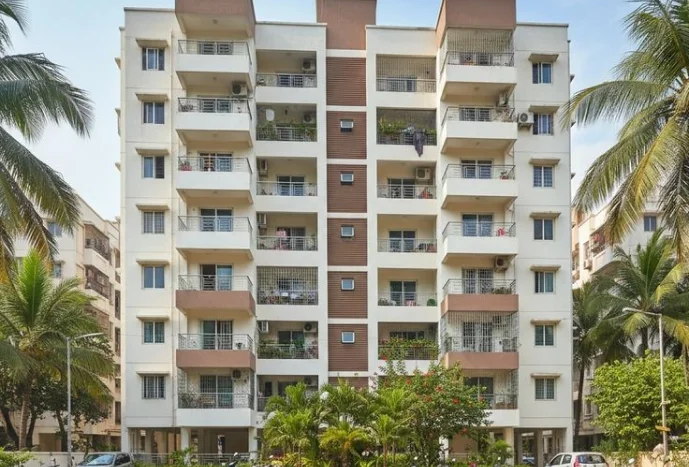
Your first home purchase is exciting and a little frightening. There is a lot of money involved, a lot of paperwork and a lot of advice from relatives who all disagree with each other. If you are looking at flats in Tiruchirappalli, the good news is that the city offers real choice at sensible prices. The challenge is knowing how to use that choice well.
This handbook follows the journey of a first-time buyer from the first calculation to the day the keys arrive. Take it one step at a time, and you will find it far less intimidating.
Know your real budget
Start with what you can comfortably afford, not what the bank is willing to lend. Banks often approve more than a family can manage without stress. A healthy approach is to keep your total monthly loan payment below about forty percent of your take-home income, and to keep savings for emergencies untouched.
Next, add the extras. Stamp duty and registration in Tamil Nadu, legal fees, brokerage if any, GST on under-construction flats, society deposits, parking charges and interior work all add up. A flat priced at forty lakh can easily cost forty-five or forty-six lakh by the time you move in.
Once you know your range, look at what is on the market. Browsing the current flats for sale in Trichy helps you see how much space your budget buys in different neighbourhoods, which makes it easier to decide where to compromise.
Choosing between a new and a resale flat
A new flat has modern fittings, a clean legal history and often better amenities. You may also find it easier to get a bank loan. But new flats cost more per square foot, and under-construction ones carry delay risk.
A resale flat is usually cheaper and allows you to see the actual condition. You can meet the neighbours, check the water pressure and observe how the building is maintained. The downside is that fittings may be old, the plumbing may need work and the seller’s paperwork must be examined with extra care.
First-time buyers often choose resale for the price and location, then spend a few lakh on renovation. Others prefer new flats for peace of mind. Neither is wrong, but you should compare the total cost over the first five years, including repairs.
Getting your home loan ready
Speak to two or three banks before you start visiting flats. Ask about interest rates, processing fees, prepayment rules and the maximum loan-to-value ratio. A pre-approved loan strengthens your position when you negotiate, and it keeps you from falling in love with something you cannot finance.
Keep your documents in order: identity proof, address proof, income statements, bank statements for six months or more and tax returns. Salaried borrowers usually find the process easier, while self-employed buyers should be ready with business records.
Check your credit score and fix any errors early. A better score can lead to a lower interest rate, which saves a surprising amount over twenty years.
Where to look in the city
Thillai Nagar, K.K. Nagar and Srirangam are popular for established amenities and good schools, though flats there often cost more. Areas toward Thiruverumbur, the Chennai bypass and Karur road offer newer buildings and larger layouts at lower prices. Think about your daily commute, your children’s schools and the facilities your parents need.
Visit at different times of day to experience traffic, noise and water supply. A flat that feels calm at noon can be crowded and loud in the evening.
Inspecting the flat and the building
Check the flat itself: ceilings, walls, tiles, electrical points, plumbing and windows. Then check the building: staircase, lift, parking, terrace, water tanks and security. Ask residents about problems such as leaks, water shortages or lift breakdowns.
- Look for damp patches, cracks and peeling paint, especially in bathrooms and top-floor ceilings.
- Test every tap, switch and door.
- Ask about the age of the building and when it was last painted or repaired.
- Check the meter arrangement for electricity and water.
- See whether the parking space is yours or open to anyone.
Legal checks every first-time buyer should do
Never skip the legal review. Ask a lawyer to examine the sale deed, the parent documents, the encumbrance certificate, the approved plan and the occupancy or completion certificate. For under-construction flats, confirm the RERA registration and read the builder-buyer agreement carefully.
If you are buying a resale flat, ask for the society’s no-objection letter and proof that maintenance dues and property tax are paid. Check that the seller’s name matches every document and that any existing loan will be cleared before registration.
Society rules and maintenance
Living in an apartment means following common rules. Ask for a copy of the society’s bylaws and find out how maintenance is calculated. Look at the accounts if the society has been running for some time. Regular meetings and transparent finances usually mean a well-run building.
Be aware of rules on renovations, pets, parking, visitors and festival gatherings. If a rule is important to you, ask about it before you pay the token.
Questions to ask the seller or builder
Ask why the seller is selling and how long the flat has been on the market. Ask what the monthly maintenance is, whether any dues are pending and whether there have been disputes in the building. For a new project, ask about the builder’s earlier projects, the promised handover date and the penalty for delay.
A calm, detailed response tells you the seller has nothing to hide. If you get defensive or evasive answers, slow down.
Negotiating and booking
Negotiation is normal, particularly on resale flats. Come prepared with prices of similar flats in the same building or nearby, and point out repairs that will be needed. A reasonable request supported by facts is more likely to succeed than a general demand for a discount.
When you pay the token, get a receipt and a written agreement stating the price, the payment schedule and the conditions for refund. Do not pay large amounts before your lawyer has seen the documents.
Using government schemes and tax benefits
First-time buyers may qualify for interest subsidies or tax deductions on home loan interest and principal repayment. Rules and limits change from year to year, so check the current position with your bank or a chartered accountant before you make financial plans around them.
Joint ownership with a spouse can also bring tax advantages and, in some cases, a lower registration cost. Discuss it with your advisor before you register, since changing names later can be costly.
Registration day and moving in
On the day of registration, check every detail in the deed, including names, area, boundaries and the price recorded. After registration, transfer electricity, water and property tax into your name, and update your address with the bank and the society.
Before you move in, do a final inspection and note any defects. Take photographs, and ask the seller or builder to fix them within a fixed time. A small checklist at this stage prevents arguments later.
Common first-time buyer mistakes
The most frequent mistake is stretching the budget to buy a larger flat than the family needs. A smaller flat with a manageable EMI is much easier to live with than a big one that leaves nothing for emergencies. Another is ignoring the cost of interiors and furniture, which can take several lakhs.
Others rely on verbal promises about parking, amenities or possession dates. If it is not in the agreement, treat it as uncertain. And many first-time buyers skip the lawyer to save a small fee, then pay far more to fix a problem that could have been caught early.
Planning your move-in budget
Once the flat is yours, expect a second round of expenses. Painting, curtains, wardrobes, a modular kitchen, lights, fans, a water purifier and basic furniture can add up quickly. Prepare a list and set a limit, and spread purchases over a few months instead of spending everything in the first week.
Many new owners also forget the first year of society deposits and utility connection fees. Set aside a small reserve for these so that your first months in the new home are enjoyable rather than stressful.
Final thoughts
Buying your first flat is a big step, but it becomes manageable when you break it into stages. Know your budget, secure your loan, choose the right area, inspect carefully and verify the paperwork. Take your time, and do not be afraid to walk away from a deal that does not feel right.
When you are ready to look, start with the available flats for sale in Trichy and note a few that fit your budget and needs. Visit them with a notebook, ask the same questions each time and compare honestly. The best flats for sale in Trichy for you will be the one that suits your family’s life, passes every legal check and leaves you comfortable with the monthly payment.